Autistics for Safe Food
Traditional food pantries and food banks often operate on a “one size fits all” model. But for many people, food is not simply about calories or nutrition—it’s about safety, culture, and dignity. Religion, culture, medical conditions, allergies, and developmental differences can all create barriers to receiving and utilizing food resources.
Avoidant/Restrictive Food Intake Disorder (ARFID) is one of these situations, and it disproportionately affects autistic individuals. In responding to ARFID, we recognized that these challenges extend far beyond one diagnosis. Autistics for Safe Food now works to address all of these needs—side by side—ensuring that food support is inclusive, responsive, and led by autistic voices. This is how Autistics are empowered to serve not only our autistic community, but every community within Chattanooga: by centering lived experience and creating systems of care that honor the diversity of food needs.
Direct Support:
Getting People the Foods They Actually Need
The biggest part of Autistics for Safe Food is simple: when someone tells us they need help getting their preferred safe foods, we help them get those foods. Anyone can request support, and we ask no intrusive questions. We only ask how we can help.
Most often, this means sending a grocery store gift card directly to their email so they can choose the foods that work for their sensory needs, cultural needs, medical needs, or comfort. For others, it may mean helping them access specific items they cannot get through traditional food assistance.
This approach keeps people in control of their own food choices and removes the pressure to adapt to whatever is available. It is food support built around dignity, autonomy, and trust.
Food Insecurity and ARFID:
Understanding the Overlap
Across the country, the need for food resources is growing. With the recent suspension of SNAP (Supplemental Nutrition Assistance Program) benefits during the federal government shutdown, millions of people are facing increased food insecurity. This crisis continues to be especially hard on those with complex food needs—including individuals with ARFID.
Avoidant/Restrictive Food Intake Disorder (ARFID) is a lesser-known eating disorder that affects people of all ages. Unlike other eating disorders, ARFID is not driven by body image concerns—it often stems from sensory sensitivities, trauma, or fear of adverse consequences like choking or vomiting.
Food insecurity—the lack of consistent access to safe, nutritious food—can compound ARFID symptoms and make recovery even more challenging. For neurodivergent individuals, especially those with ARFID, traditional food assistance programs may unintentionally exclude or overwhelm.
Download our community-created pamphlet on ARFID and Food Insecurity, designed for printing, sharing, and learning together.
This resource is ideal for:
- Food providers
- Advocates
- Individuals and families
A Resource to Share
Expanding Resources Across Chattanooga
Autistics for Safe Food is continually expanding the resources available to individuals and families with complex food needs. To date, we have provided education on ARFID and other dietary needs to 14 organizations across the Chattanooga area—and that number continues to grow. These trainings help food banks, pantries, service providers, and community partners understand sensory‑based food needs, cultural and medical restrictions, and the realities of ARFID in the context of food insecurity.
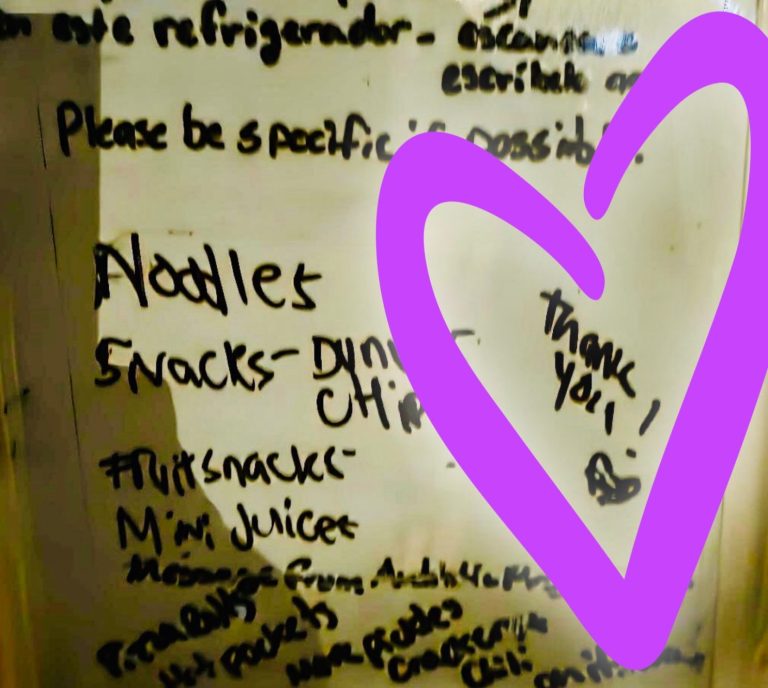
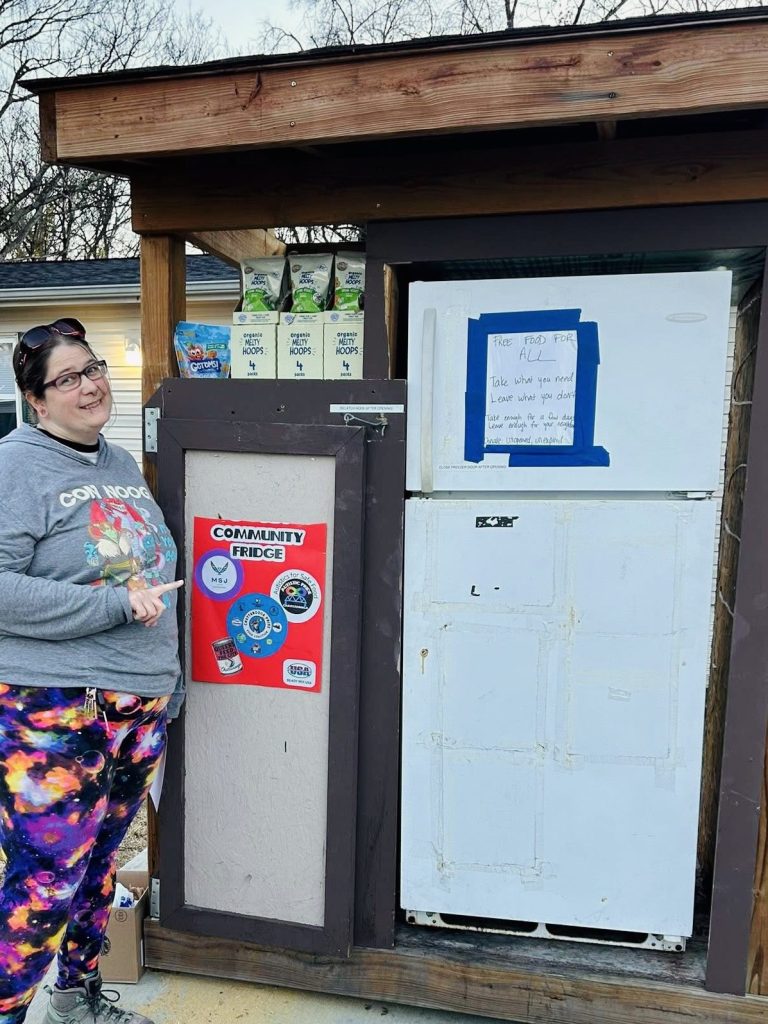
The heart of this expansion is our first Safe Food Fridge, a pilot that is already demonstrating how powerful autistic‑led design can be. The fridge allows the people who use it to request the foods they want or need—foods they often cannot access through a traditional food pantry. Early use has shown exactly why this model matters: when people are invited to name their own needs, the support becomes more accurate, more dignified, and more sustainable.
This Safe Food Fridge is sponsored and supported through a collaboration with Hope Community Fridge, Chattanooga Pride Food Coalition, Moms for Social Justice, and True Blue Hamilton County. This partnership demonstrates that autistic leadership can successfully collaborate with our communities to build resources that are responsive, dignified, and rooted in lived experience.
The Safe Food Fridge is built around dignity and comfort, offering foods that meet sensory, cultural, and medical needs rather than expecting people to adapt to whatever is available. Its early success is showing what food support can look like when autistic leadership shapes the structure from the ground up—responsive, informed, and grounded in lived experience.
We invite you to explore more about the Safe Food Fridge program, follow the pilot’s progress, and see how this resource continues to grow by visiting our Linktree dedicated to expanding Safe Food Fridge resources.
Why Autistics for Safe Foods Matter
Autistic people are not a burden to society—we are problem-solvers, organizers, and leaders. Autistics for Safe Food is one example of how autistic leadership identifies gaps in existing systems and builds solutions that work for our community and for Chattanooga as a whole.
This work demonstrates what APC stands for: autistic people defining the problems that affect us, designing the systems that support us, and leading the changes our city needs. By centering autistic authority and lived experience, we are creating models of food support that are effective, sustainable, and rooted in dignity.
What We're Doing
At Autistic Pride Chattanooga, we’re working to:
- Educate food banks, pantries, and providers about ARFID and sensory-based food needs
- Partner with organizations that serve neurodivergent and disabled individuals
- Create individualized resources to help identify safe foods
- Provide resources for treatment and support, including peer-led recovery options and professional referrals
Request Help
You deserve support. If you or someone you know is facing urgent food needs—especially with sensory or medical considerations—we want to help.
You can request support in two ways:
- Use our Request Help form to let us know what you need
- Or PLEASE contact us directly if that is easier for you
We ask no diagnosis, no proof of need, and no intrusive questions. We trust your experience. Our goal is to support you in ways that feel safe, accessible, and aligned with your preferred foods.
Additional Resources
Chattanooga EDA
We also want to connect you with resources and community care whenever we can. Chattanooga Eating Disorders Anonymous (EDA) offers free, peer-led support—including for those navigating ARFID.
Local meeting time: Tuesdays at 7:00 PM
Location: Unitarian Universalist Church of Chattanooga (UUCC), 3224 Navajo Dr, Chattanooga, TN 37411
Contact: ChattanoogaEDA@gmail.com
Give to Autistics for Safe Food
Fund Stewardship
If you’d like to support this work, your contribution goes straight into the things our community relies on every day.
Your gift helps us:
- Get preferred safe foods directly to individuals and families who request help
- Keep our community Safe Food Fridge stocked with the items people actually ask for
- Build autistic-led education, advocacy, and community resources around food access
Every bit of support strengthens the systems we’re building together.
- We maintain a $100 reserve dedicated to fulfilling direct Safe Food requests.
- Donations not used within 45 days are redirected to partnered food-insecurity relief work with the Chatt Pride Food Coalition.
Give One-Time or Monthly
You can make a one-time donation or set up a monthly pledge through our secure Zeffy page.
APC is Proud to be Part of the Chattanooga Pride Food Coalition
Autistics for Safe Food is a partnered organization within the Chattanooga Pride Food Coalition—a network of LGBTQ+ and allied groups working together to expand food access, strengthen community fridges, and build systems of care across the city. Many of us were already doing this work independently; the coalition allows us to coordinate efforts, share resources, and respond more effectively to community needs.
To learn more about the coalition’s mission, current projects, and partner organizations, visit the Chattanooga Pride Food Coalition page: